



- INFORMATION
- BUS
- TAXI
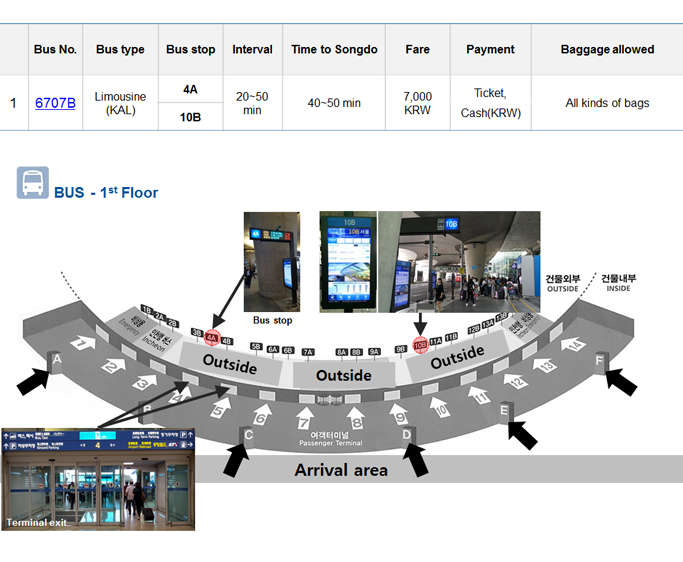
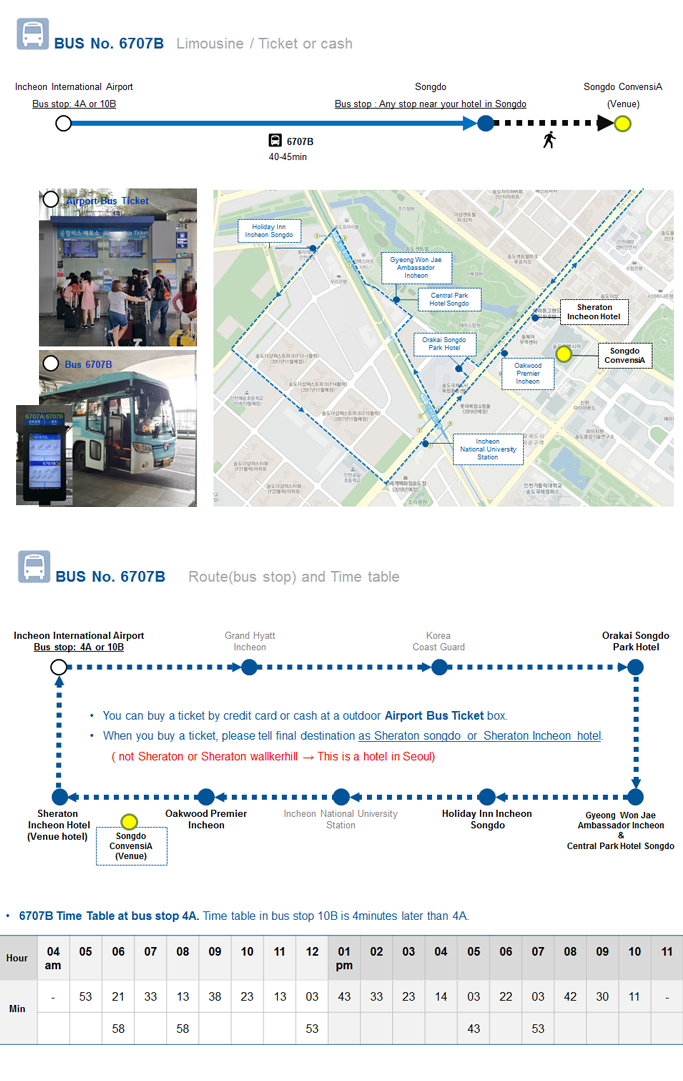
Visitors arriving in the host city for an international conference often find that public transportation offers the most efficient way to move between the airport, accommodation, and the venue. Bus networks in metropolitan areas typically connect major districts, business parks, and conference centers through frequent routes that operate throughout the day. Modern buses are usually equipped with climate control, digital route information, and accessible boarding features that make them suitable for travelers carrying luggage or attending professional events. Understanding the local route numbering system and purchasing a rechargeable transit card in advance can simplify daily travel during a busy conference schedule and reduce the need for individual car transfers between sessions and social gatherings held across different parts of the urban environment during the event week itself.
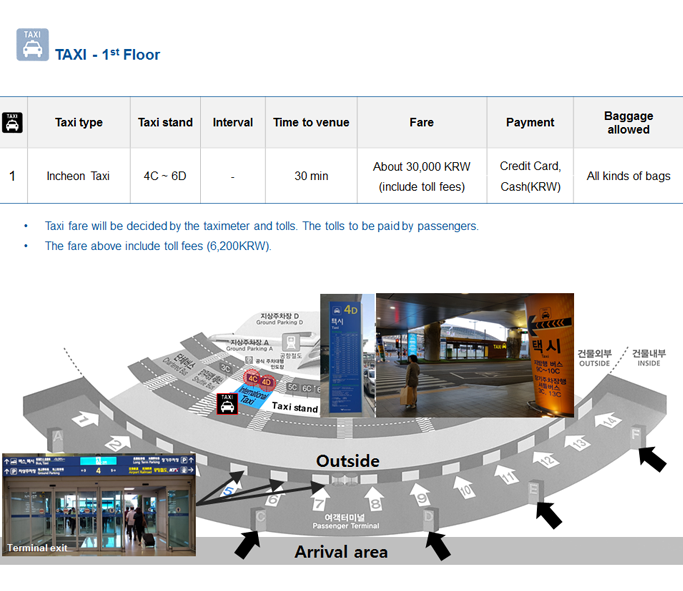
Taxis provide a flexible alternative for conference participants who need to reach specific venues quickly or travel with equipment such as posters, presentation materials, or technical gear. Most major cities regulate taxi services through standardized color schemes, metered fares, and clearly displayed driver identification, which helps visitors identify licensed vehicles. Many taxi fleets now include hybrid or low-emission options that align with broader sustainability discussions often featured at building and environmental conferences. Riders can usually book taxis through smartphone applications, hotel concierge desks, or designated taxi stands near transit hubs and conference facilities. For those unfamiliar with the local language, having a written address in the official script or a digital map ready can help ensure a smooth ride to and from event locations, dinners, and networking activities planned by the organizing community.
Navigating between conference sessions and social events becomes easier when participants plan transportation according to the daily schedule and expected traffic patterns. Morning and late afternoon hours typically bring heavier congestion on urban roads, particularly around business districts and major transit corridors. Allowing additional time for travel between hotels and venues helps attendees arrive punctually for keynote speeches, parallel sessions, and committee meetings. Many conference organizers provide shuttle services or recommended transit options that align with the event timetable, and these details are usually shared through the official program documentation. By combining walking, public transit, and occasional taxi rides, visitors can experience the city comfortably while remaining focused on the conference program and the professional exchanges that make such international academic gatherings valuable for ongoing research collaboration across borders.
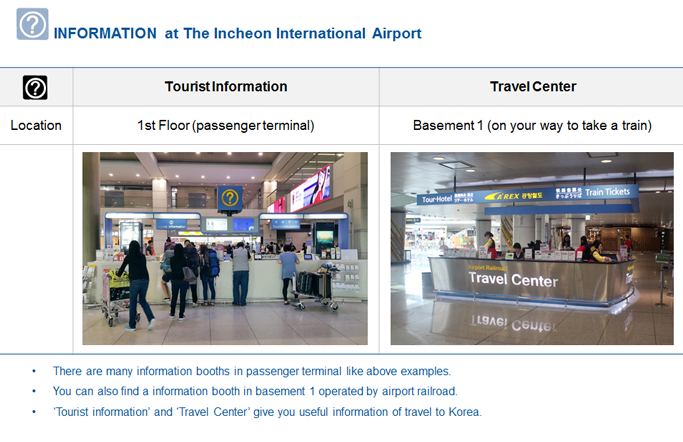
Conference destinations often promote their accessibility by highlighting integrated transportation networks that link airports, high-speed rail stations, and inner-city venues. Travelers holding event credentials or registration confirmations may find dedicated welcome desks at arrival points offering maps, transit passes, and helpful guidance in multiple languages. These services are particularly valuable for international guests who arrive after long flights and wish to begin their participation without delay. Clear signage within transit stations, bilingual announcements, and the availability of tourist information centers near major terminals contribute to a smoother arrival experience. When transportation information is provided in advance by the conference secretariat, attendees can plan efficient routes from their first evening in the city through to the closing ceremony and any optional technical tours offered as part of the broader program.
Beyond formal sessions, exploration of the host city is often enriched by convenient transportation choices that allow visitors to discover cultural landmarks, dining districts, and nearby scenic areas during free hours. Evening receptions and informal networking dinners may be scheduled in districts that are easily reached by a combination of walking and short transit rides, encouraging participants to engage with the local atmosphere. Comfortable footwear, a reliable map application, and familiarity with the transit ticketing system can transform short breaks between sessions into rewarding cultural experiences. Whether traveling by bus, taxi, or on foot, thoughtful planning helps conference attendees balance their professional commitments with opportunities to appreciate the history, architecture, and hospitality of the city that has been chosen to host the gathering.