
Songdo, Incheon. Republic of Korea 9th International Conference on Indoor Air Quality Ventilation & Energy Conservation In Buildings
IMPORTANT DATES
- Abstract submission Closed
- Full paper submission Closed
- Notification of full paper acceptance (May, 2016)
JOIN COMMUNITY



Conference venue
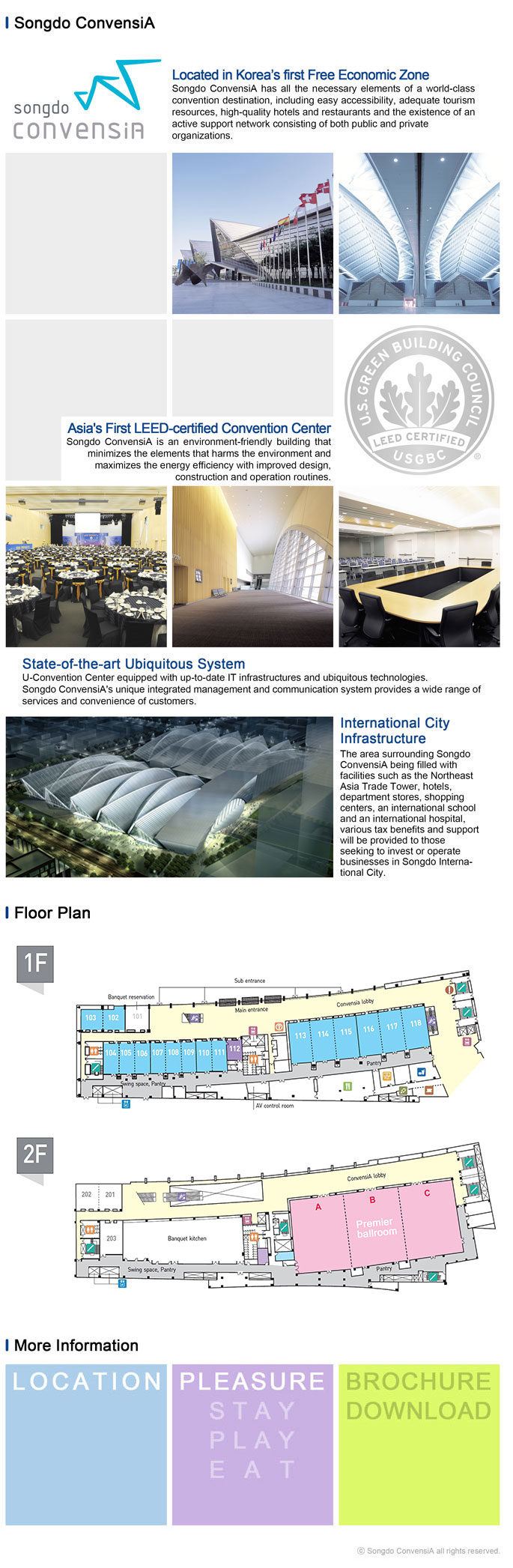
The venue for an academic gathering sets the stage for collaboration and knowledge exchange. A thoughtfully selected location offers accessible transportation options, comfortable accommodations nearby, and spaces designed to support both formal presentations and informal discussions. Modern conference facilities typically combine auditoriums for keynote speeches with breakout rooms for specialized sessions, allowing delegates to engage deeply with topics spanning research, technology, and practical applications. The surrounding environment often reflects the host city's character, offering attendees a chance to experience local culture between sessions while remaining focused on shared professional interests and emerging developments in their field.
Indoor air quality remains a central concern for researchers, architects, and building engineers worldwide. Pollutant sources, ventilation effectiveness, and occupant health are interconnected considerations that shape how built environments are designed and operated. Contemporary discussions explore how airtight construction, energy efficiency goals, and fresh air requirements can be balanced through smart design strategies. Sensors, controls, and modeling tools help practitioners understand indoor conditions in real time, supporting healthier spaces for living, work, and study while reducing overall environmental impact across residential, commercial, and institutional buildings.
Ventilation systems form the backbone of healthy indoor environments, supplying fresh air while removing stale, contaminated, or humid air. Natural ventilation, mechanical systems, and hybrid approaches each offer distinct advantages depending on climate, building use, and occupancy density. Heat and moisture exchange technologies recover resources from exhaust streams, reducing energy losses. Performance variables including humidity, particulate matter, and gaseous compounds are tracked continuously, enabling building managers to optimize operation. Integration with heating, cooling, and lighting systems creates comprehensive approaches that balance comfort, health, and operational efficiency.
Energy conservation in buildings intersects closely with indoor environmental quality. Reducing operational costs while improving performance requires integrated design approaches that consider thermal performance, renewable sources, and occupant behavior. Simulation tools allow designers to evaluate alternatives before construction, predicting how passive features interact with active systems. Operational optimization through sensors and controls adjusts conditions based on occupancy, weather, and activity patterns. Together, these strategies demonstrate that sustainability goals and human well-being are complementary rather than competing priorities in contemporary building practice.
Healthy buildings support the people who use them every day, whether for work, learning, healing, or leisure. Research continues to reveal how conditions can be connected to cognitive function, productivity, sleep quality, and overall well-being. Indoor environmental quality encompasses air, thermal comfort, lighting, and acoustic performance as interconnected factors. Achieving optimal conditions requires collaboration among designers, engineers, operators, and occupants, along with ongoing monitoring and adjustment. As communities place greater value on well-being and resource stewardship, the built environment increasingly reflects these priorities.